Classes 3–5 · Ages 8–10

Building Strong Thinkers

Through Curiosity & Projects

The Samithva Wing marks a beautiful transition from play-led learning to structured academic exploration. Students develop reading habits, mathematical reasoning, and environmental awareness while maintaining the spirit of curiosity and joy.

Project-based learning is the hallmark of this wing — children learn to research, collaborate, present, and think independently. Every subject is connected to real life, nurturing a deep love for learning.

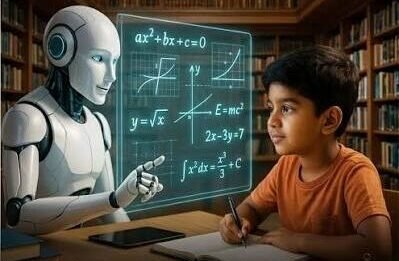
With the introduction of AI concepts and Computational Thinking alongside Abacus, students gain powerful 21st-century tools while staying grounded in Indian cultural values.

What Your Child Learns

A structured yet inquiry-driven approach that grows with every child

Language Development

Structured reading habits, writing fluency, and communication skills across English, Kannada, and Hindi.

Mathematical Thinking

From basic arithmetic to logical reasoning — building a strong, confident relationship with numbers and patterns.

Environmental Awareness

Connecting learning to the world around them — local ecology, community, India's geography, and global citizenship.

Project-Based Learning

Hands-on research projects that teach planning, collaboration, creative problem-solving, and presentation skills.

Creativity & Curiosity

Open-ended challenges, science experiments, and creative tasks that keep the spirit of discovery alive.

Independent Learning Habits

Building self-discipline, study routines, and ownership of learning — skills that last a lifetime.

Special Skills

Three Powerful Skills for Samithva
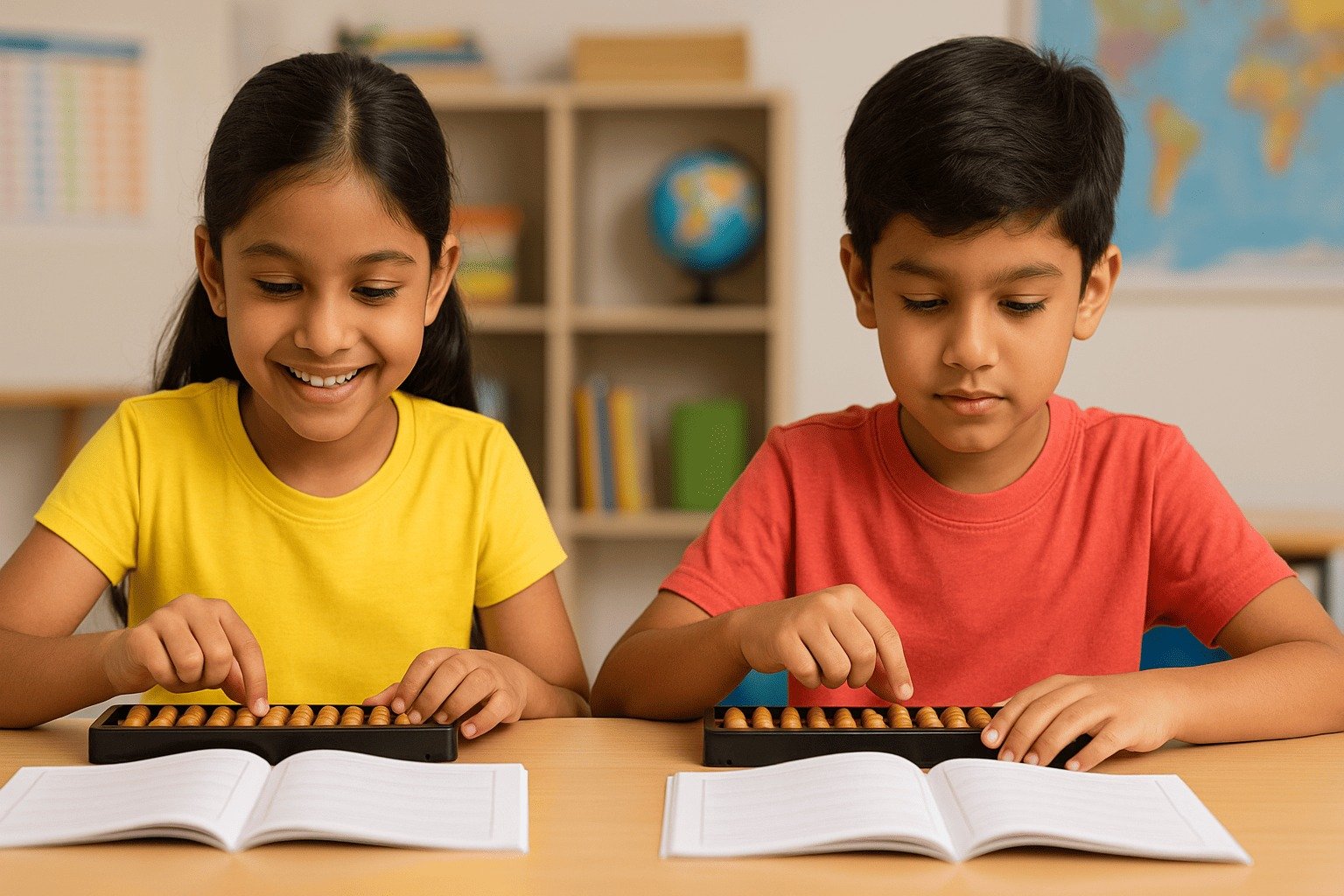
Abacus
Continued from Vathsalya, Abacus in Classes 3–5 deepens mental arithmetic, enhances concentration, and builds remarkable calculation speed.

  • Mental math speed
  • Enhanced concentration
  • Memory development

Artificial Intelligence

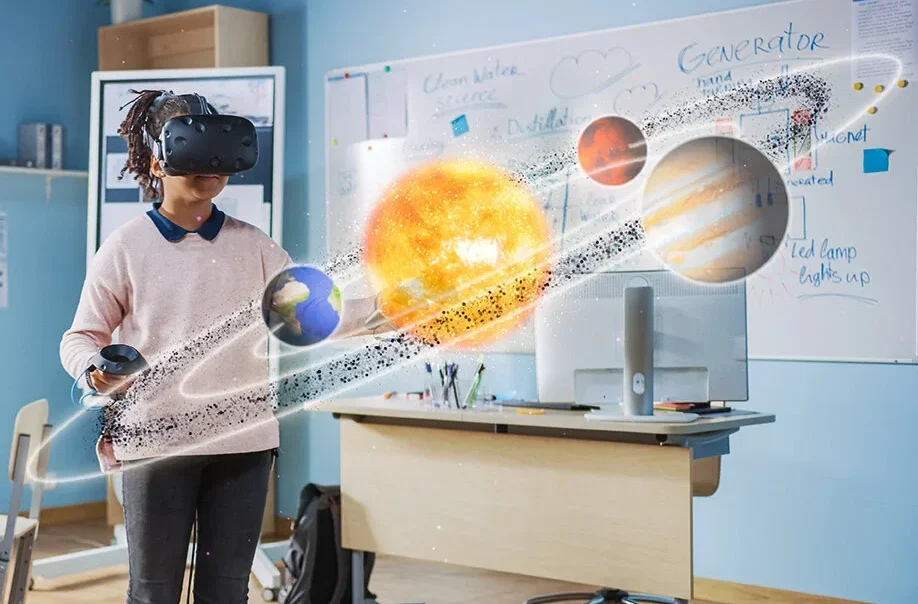
An age-appropriate introduction to AI concepts — understanding how technology works, developing logical thinking, and imagining future possibilities.

  • Logical reasoning
  • Technology awareness
  • Future readiness

Computational Thinking

Breaking problems into steps, recognising patterns, and thinking algorithmically — the bedrock of coding, science, and everyday problem-solving.

  • Problem decomposition
  • Pattern recognition
  • Algorithmic thinking

Learning Experiences in Samithva

Project-Based Learning
Group Discussions
Science Experiments
Field Visits
Reading Circles
Math Olympiad Prep
Art-Integrated Learning
Collaborative Learning
Cultural Programmes
Quiz Competitions
Nature Study
STEM Activities

Co-Scholastic Areas

  • Sports & Physical Education
  • Yoga & Mindfulness
  • Music & Performing Arts
  • Visual Arts & Crafts
  • Literary Activities
  • Science & STEM Activities
  • Community Service
  • Environmental Education
  • Indian Cultural Traditions
Scroll to Top